
Your home should be your safe space; it’s where you and your family can let your guard down, rest, and build memories. However, true home safety doesn’t just happen on its own; you have to plan for it and be intentional about your home’s security features.
Wherever you are, in a big city or a small town in Ghana, your home’s security shields you from intruders, accidents, and health risks.
In this post, we discuss the must-have safety features every Ghanaian home should have, including fire safety tips.
15 Home Security Features You Must Have
Strong Front and Back Doors
A good door is your first line of defence in your home’s security. Weak doors make it easy for unwanted visitors to force their way in. Invest in solid wooden or metal doors with strong frames and quality locks to keep intruders out.
If your doors’ integrity is lacking, you should get security bolts and peepholes to strengthen them. You can even acquire a steel security door for a home that’s in a high-risk area.
Reliable Door and Window Locks
Don’t lose your guard when it comes to your locks, either. Shaky, cheap latches or broken locks defeat your home’s security efforts. Ensure all windows and doors have quality locks that actually work. Get padlocks that have protective covers to prevent cutting.
Besides, you can buy double-locking systems for extra security. It’s a simple but essential step to keep your home safe.
Also, metal bars or grills may not look fancy, but you can’t trade your home safety for décor. Especially for windows, which are vulnerable entry points. And if your children sleep upstairs, it is useful to get child-safety latches to prevent accidental falls.
Burglar-proofing adds an extra barrier that makes break-ins into your home more difficult, further keeping intruders away.
Good Outdoor Lighting
Dark corners provide the perfect environment in your home for unwanted guests to hide. Help yourself by installing bright lights around your gate, entrance or front porch, and backyard. This is one of the important home security features you should have.
And if you’re up for it, getting motion-sensor lights is better. Like their names, they turn on automatically when they sense movement.
You can also get cost-effective solar-powered lights that come in handy during power cuts, which are not uncommon in our part of the world.
Smoke Detectors and Fire Extinguishers
Fires can start quietly and spread fast. A smoke detector gives an early warning so you can act quickly. Place them in key areas prone to fire outbreaks, especially kitchens, corridors, and bedrooms. Though they’re small devices and quite easy to install, they give you precious minutes and save your life.
Do not risk losing years of investment in your home when a simple feature like a smoke detector can spare you the trouble. But you should test their batteries monthly.
A key fire safety tip is to get a fire extinguisher. Every home should have one. Keep it, especially in the kitchen, where most home fires begin from cooking incidents. Having an extinguisher on hand can help you to stop small flames before they turn into something uncontrollable, a disaster.
And learn how to use it. It could save lives, not only yours but everyone in your home at any moment.
First Aid Kit
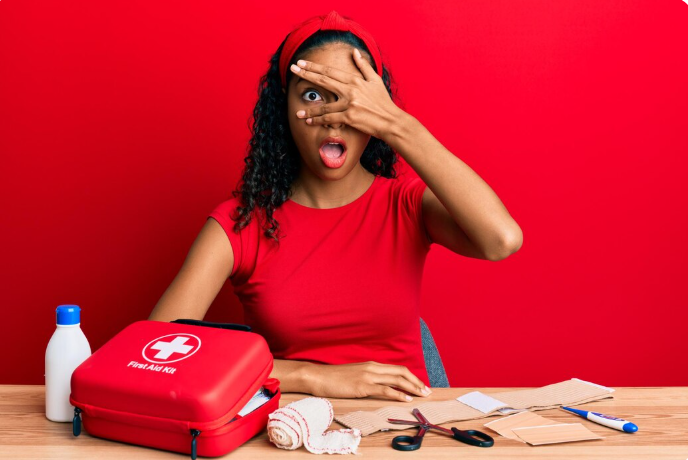
Accidents happen. Burns. Cuts. Scrapes. They’re part of life. However, should they happen, having bandages, antiseptics, and pain relief close by comes in handy when you have to handle minor emergencies.
This home safety feature offers a quick response to small accidents and injuries before you head over to the hospital. Be sure to restock regularly with all the essentials: scissors, gloves, and basic medicines.
Surge Protectors
Power surges are common in many parts of Ghana. For your home’s safety, shield your electronics from power fluctuations with surge protectors. These home security features will help you avoid costly damage. You can get a voltage regulator or UPS for your fridges, freezers, and computers for extra safety.
Proper Wiring and Circuit Breakers
Never compromise on electrical work. Poor wiring is one of the leading causes of house fires. Safe electrical work prevents fire hazards. So, ensure your home has safe wiring and functioning circuit breakers.
Circuit breakers cut off power when there’s a fault and, thus, prevent bigger problems. However, it’s essential to avoid overloading sockets. Be sure approved materials are always used for your wiring. And check them every few years.
Fire safety tip: Employ the services of a Certified Electrical Wiring Professional (CEWP) licensed by the Ghana Energy Commission to do your home’s electrical installations. You will be thankful you did.
Emergency Exits
Every family member should know at least two ways out of the house in case of a fire, probably through a back door, a window, or a side gate. You should practice it once in a while as a family, like a simulation. Do not block exits with furniture or storage items, because easy access to exit ways could be the difference between escape and being trapped in danger.
Safe Gas Cylinder Storage
Gas explosions are among the key culprits of fire outbreaks in Ghana. But the good news is that they are preventable. Keep cylinders outside or in a well-ventilated area. Never store cylinders in enclosed or hot spaces.
You should check regularly for leaks and replace all old regulators. And always turn off gas valves after cooking. It’s all right to keep a soapy water solution aside to test for leaks.
Water Storage and Filtration
Having clean water on hand is a necessity for daily use and is vital during emergencies and water shortages. A storage tank and a simple filter can make life much easier. Also, harvesting rainwater via systems like rain gutters can serve as backups.
Secure Fencing and Gates
A solid boundary, like a strong wall or a fence with a hard gate, is an important home security feature that makes it less accessible to strangers. A reliable gate with a security guard can increase the safety of your home.
While this enhances your security, it also promotes privacy and peace of mind. You can include CCTV at entry points, if possible.
Emergency Contacts List
During crises, we can be all over the place. Ensuring home safety in times like these means keeping numbers for the police, fire service, hospital, and even trusted neighbours in an easy-to-reach spot. And let your family know. In an emergency, every second counts and can make all the difference between life and death.
Basic Home Insurance
This is another essential way of ensuring your home’s safety. It’s sad that a lot of people in our country overlook it, but insurance cushions you and your family from financial loss in the case of fire, theft, or accidents.
While it may feel like an added cost, it will surely have your back when heavy losses strike. It’s, therefore, worth considering for your own peace of mind because, against all odds and wishes, life still happens.
You should, however, compare providers and opt for a package that covers both your property and contents.
Extra Safety Features to Consider
CCTV cameras: Thanks to technology, numerous small Wi-Fi cameras are quite affordable and allow you the flexibility to monitor your home even when you’re away.
Childproofing tools: It’s always advisable to get covers for your sockets, stair gates, and cabinet locks that keep children away from the contents. These tools generally ensure your kids’ safety. You also consider safe storage for your valuables. You don’t have to lose everything when burglars break into your home. A small safe for documents, money, jewellery, and other precious items can be just what you need.
Earthquake and flood awareness: This is particularly important if you live within or near areas prone to these natural disasters. You’d need to keep sandbags, raise electrical sockets, and have waterproof storage if you’re in a flood-prone area. That aside, if you use a generator, you may need to get yourself carbon monoxide detectors. They’d protect you against deadly gas leaks, which are mostly silent and may otherwise go unnoticed.
Conclusion
A safe home is a happy one. From doors, locks, fire extinguishers, first aid, and emergency exits to insurance and everything in between, each of these home security features may seem small on its own. Still, together they create a safe and secure space for your family.
By adding them to your home, you protect your property and the people you love most. Start with the basics; little by little, you’ll build a safer space for your family.