
When you want to buy a parcel of land, what do you look for? Price, location, size, maybe. But there are other factors equally important: Utilities and basic infrastructure. A land or other property with utility connections may not seem urgent at first, but they make all the difference once you settle.
In this post, we will look at why utility access, water, electricity, roads, and even internet should be at the top of your due diligence checklist.
Why Utility is Important
Water Supply
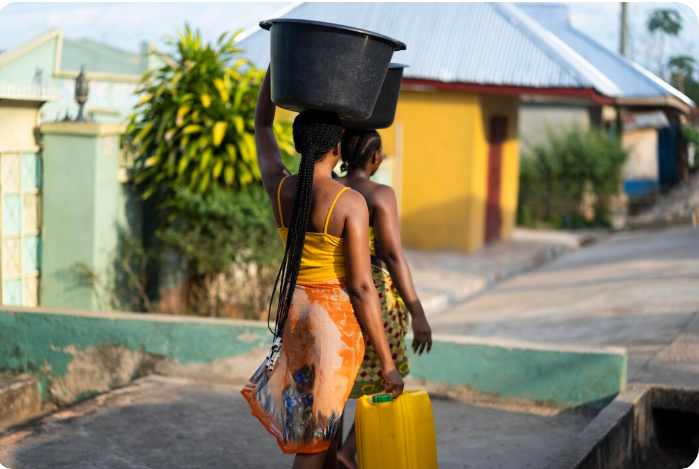
Before you pay for any property in Ghana, ensure it has easy access to piped water, connected from the Ghana Water Company Limited (GWCL). Paying a monthly bill saves you a lot of stress. Without it, you’ll spend more on sourcing water from tankers, and you’ll also need a storage tank to hold the water. A borehole, alternatively, will cost you more on drilling, pumping machines, and maintenance.
Ask around if the area has Ghana Water connections, and if they do, how reliable are they? This is important because taps in some places flow once or twice a week. You should visit the area at different times of day and week. A storage tank in every home will tell you that the water supply isn’t reliable.
Electricity Connection
Electrical power is essential for daily life and for running appliances. However, extending electricity poles to a remote area can be very expensive, running into several thousands of cedis. Ensuring that you buy land with utility connections, especially water and electricity access, is a great due diligence before paying for any land.
Request information from ECG or neighbours about the power situation, especially about fluctuations and outages.
Road Access
One of the critical utilities to look out for is road access: its availability, how easily connected it is to town and how motorable it is. Good roads make it easy to bring building and construction materials in. They also raise the property value and make your home more accessible.
Bad roads, however, make everything more expensive. They can trap you in during the rainy season and scare away tenants or buyers who visit. Some roads are passable during the dry season but not at all during the rains. Drive to the site yourself; a short visit in the rainy season can reveal hidden problems. Don’t only rely on the seller’s word.
Drainage Systems
Proper drainage prevents flooding during heavy rains, which can be a real pain in the neck in certain areas of the country. Without proper drainage, water can damage your building’s foundations, walls, and even roads. The presence of good drains, thus, saves you from costly repairs to your building later.
While checking for water and electricity access, take the time to walk around the area to see how water flows. Check if gutters are properly made or just open ditches that get clogged. The best time for this is when it’s raining; that’s when you’ll see if the water flows away or collects around homes. Signs of flooding, like watermarks on walls, stagnant pools, or algae on the ground, will tell you something. It’s important to do this before considering a land or property purchase.
Waste Disposal
This can also be one heck of a problem if you’re not careful. Ask around and observe critically to find out how the community handles waste collection. If there’s no proper disposal system, you may be in for a tough struggle with hygiene and pests.
There are some areas where local assemblies collect waste. In other areas, private companies do. Where there is none, you’d have to handle that yourself. Private collection services are a plus, but it can be helpful to confirm how often waste is collected and if there is a dumping site. It will help to check this off your utilities list before you make any buying decisions.
Internet and Mobile Network
In this day and age, a strong signal is no longer a luxury; it’s a necessity for work, school, and daily life. It’s become a core part of living. Unfortunately, some areas in Ghana still struggle with poor network coverage. And living in such areas can cut you off from your connections.
Be sure to test the signal with your phone before committing: stand on the land and make calls, browse, and even test video calls. Don’t trust the coverage maps. Some areas may be strong for some networks but not others. So, ask around. You’ll learn the truth if you ask widely.
Security Lighting and Streetlights
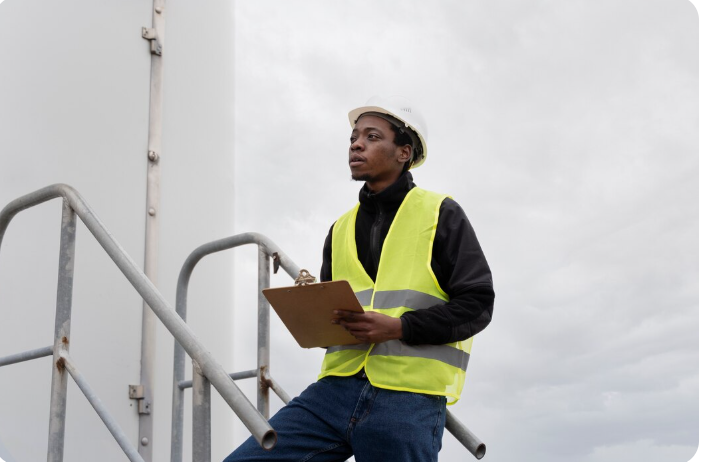
Well-lit areas are safer for you and your family. There’s no argument that dark neighbourhoods attract crime, especially in developing areas. That is why you must ensure the community you’re planning to enter has functioning streetlights, not just in certain parts but all around.
This is especially important because some areas have poles, but the bulbs don’t work, and the place is dark. If the community doesn’t have street lights, you may need to install your own security lighting. If you can, visit the area after dark. You’ll know more about the safety situation than on a daytime visit.
Proximity to Essential Services
Hospitals, pharmacies, or police stations enhance emergency readiness and can save your life. Schools, markets, and shops reduce travel time and save you transport costs. Nearness to these services can affect the value of your property and make it easier to sell or rent. Residents may not be happy to have to trek or drive long distances to buy foodstuffs or send their children to school. Or worse, in emergencies, to waste so much time getting to a hospital when life is at stake.
Don’t be swayed by the low land prices; consider convenience, for the sake of your family’s lives. Also, aside from distance in kilometres, consider travel time during rush hour or the rainy season.
Sewerage, Sanitation Systems
If the community has no central sewerage system, you’ll need a proper septic tank. Poor planning here can lead to contamination and bad smells. Some areas still face the issue of poorly maintained pits. This lowers land value and increases health risks. Ask about sanitation before committing; it’s not a pleasant surprise to deal with later.
Fire Safety, Emergency Services
Find out if the area has access to fire hydrants. You’ll be shocked at how necessary this is when you experience a fire outbreak. Not many neighbourhoods have fire hydrants; it’s worth asking if fire trucks can access the roads during an emergency. Some areas are so densely packed, without hydrants, and are also inaccessible to them.
Future Development Plans
It’s a given that not all areas may tick the boxes for all these utilities, yet. However, the municipal assembly may have plans for them. The risk here is that you may have to wait until your patience runs out. Promises of street lights coming soon can drag on for years. Confirm actual deadlines.
Conclusion
In this modern era, utilities in Ghana, like elsewhere in the world, aren’t extras; they’re essentials. A cheap plot of land with no water, power, or road access often ends up costing more in the long run. Before you buy or build, check utility connections first. You will save yourself money, add comfort, and increase your property’s value.