
Have you ever noticed how certain thoughts seem clearer when you are away from the city?
Not during meetings, or when you’re stuck in traffic, and certainly not while staring at another screen. But somewhere quieter, perhaps during a walk surrounded by trees, sitting on a balcony overlooking hills, or spending time in a place where the only background noise is wind moving through leaves.
Suddenly, your mind feels different. Breathing becomes slower, your thoughts feel less crowded, and problems that once seemed overwhelming begin to feel manageable again. This experience is not imaginary. We genuinely think differently when surrounded by nature.
However, the modern lifestyle has disrupted our quiet way of living.
The Brain Was Never Designed for Constant Noise
Contrarily, modern life constantly demands our attention. Our phones are always vibrating or ringing, and notifications compete for our focus, dominating both work and rest.
While outdoors, traffic creates noise. Even moments meant for relaxation are often filled with overstimulation. Over time, this continuous input leaves our brain mentally exhausted. Many people struggle to focus, feel creatively blocked, or become emotionally drained without fully understanding why.
Many people mistake this feeling for laziness or burnout when, in reality, the mind may simply be overstimulated.
Nature Gives the Mind Room to Breathe
Nature creates the opposite experience. Unlike highly stimulating environments that aggressively compete for attention, natural surroundings interact with our minds more gently.
Psychologists often describe this as “soft fascination”—a calming form of attention where the brain remains engaged without becoming overwhelmed.
The movement of trees, birdsong, fresh air, and open views give the nervous system a chance to slow down. This is why you often feel mentally lighter after spending time in green environments, even if you can’t explain the reason immediately.
Why Your Best Ideas Rarely Happen in Traffic
It’s interesting how many people get their clearest ideas while walking, travelling, or sitting somewhere peaceful.
This happens rarely during chaos, and there’s a reason why.
Creative thinking requires mental space. But overstimulating environments leave very little room for reflection because the brain is constantly reacting instead of observing.
Nature slows this cycle down.
When the mind is no longer defending itself against endless noise and distraction, it becomes more open, imaginative, and reflective. This is why writers, thinkers, artists, and even business leaders throughout history have often sought quiet environments for clarity.
Sometimes, distance from noise creates closeness to thought and the exact words you seek to describe a phenomenon.
Calm Environments Change More Than Your Mood

What makes natural environments powerful is they influence more than your emotions. They also influence your behaviour.
You’ll notice you tend to walk more slowly, speak more softly, and feel more present when surrounded by peaceful scenery. Stress feels less intense, and conversations with loved ones become more intentional.
This subtle shift affects how you think, respond, and experience everyday life. Over time, the environment quietly shapes your mindset and emotional well-being. This may explain why you often leave serene places feeling emotionally refreshed, even after a short visit.
The Growing Need for Mental Space
In today’s world, mental space has become surprisingly rare.
People are constantly connected but increasingly distracted. Busy schedules leave little room for stillness, and many individuals don’t realise how mentally exhausted they are until they experience genuine calm.
This may explain why more people are drawn toward environments with greenery, open views, and slower rhythms. Not necessarily because they want to “escape life,” but because they want to feel more balanced within it.
Increasingly, people are not simply searching for entertainment or temporary escapes—they are searching for clarity, balance, and a space to breathe mentally.
Maybe This Is Why Places Like Aburi Feel Different
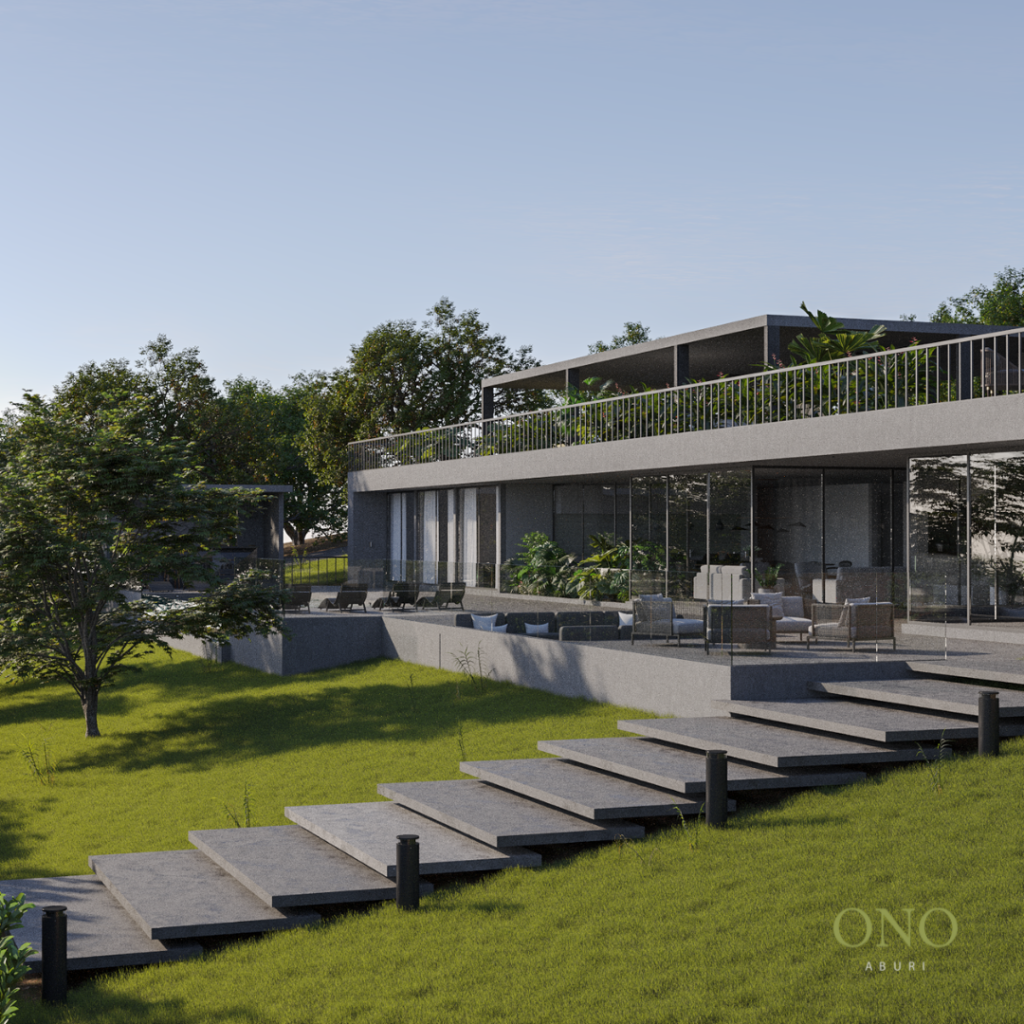
There is a reason environments surrounded by hills, trees, and open landscapes often leave lasting impressions on people. The difference feels physical at first—cooler air, less noise, more openness. But eventually, the effect becomes mental too.
In situations such as this, your thoughts feel clearer, your attention becomes less fragmented, and the mind begins to settle naturally.
These environments remind us of something modern life easily forgets: the mind needs space just as much as the body does.
Conclusion
Ultimately, nature changes the way we think because it changes the conditions surrounding thought itself.
Quiet environments reduce mental overload, open spaces create perspective, and greenery helps restore emotional balance. And slower surroundings give the brain room to process, imagine, and recover.
In a world designed to constantly compete for attention, places that offer stillness are becoming increasingly valuable, not only because they are beautiful but also because they help us feel mentally whole again.