
For many people in the diaspora, the idea of building a lifestyle home in Ghana is about more than property ownership. It’s about connection, identity, peace of mind, and creating a lifestyle that feels meaningful beyond busy schedules abroad.
Increasingly, Ghanaians living overseas are not only planning retirement homes or investment properties—they are thinking about lifestyle homes. Properties designed not just for staying but for healthy living.
This shift is changing the way many people approach homebuilding in Ghana. The focus is beyond square footage and city locations towards environments that offer calm, greenery, balance, and a stronger quality of life.
As conversations around wellness and intentional living continue to grow globally, many diaspora buyers are asking a different question:
What kind of life do I actually want to return to? The following analyses explain what you should know.
A Lifestyle Home Is More Than a House
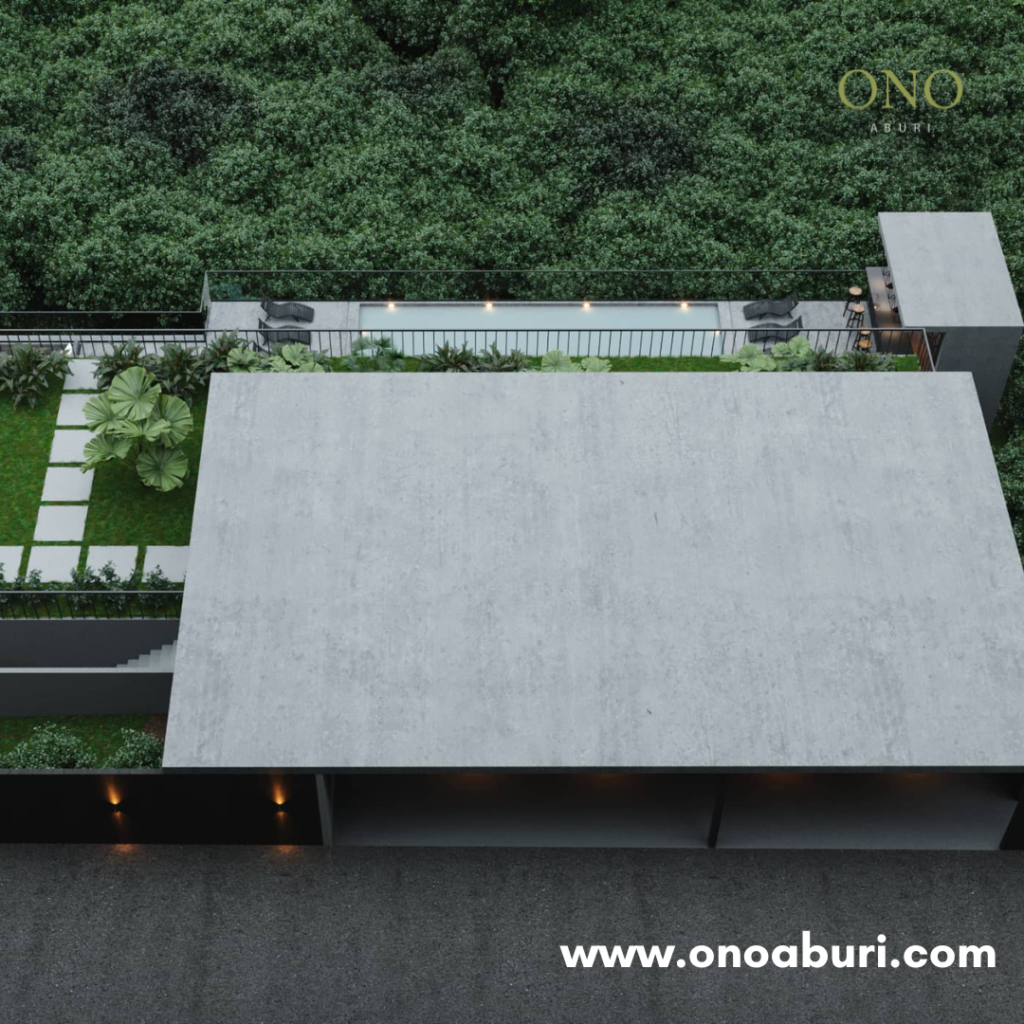
Traditionally, many homes were built around status, size, or proximity to busy city centres. However, lifestyle homes are different. They are designed around experience and well-being.
A lifestyle home is not simply where you sleep. It’s where you recharge, an environment that shapes your mornings, your routines, your relationships, and your mental well-being.
This is why more diaspora buyers are paying attention to surroundings rather than just structures. Green environments, scenic views, cooler climates, and quieter communities are becoming increasingly attractive. Many people are realising the feeling a place gives you matters just as much as the property itself.
Why Environment Matters More Than Ever
Living abroad often comes with fast-paced routines, demanding schedules, and highly stimulating environments. For many people in the diaspora, the dream of returning home includes more than comfort. It includes peace.
This may explain the growing interest in places outside heavily congested urban centres. Areas surrounded by nature and open space offer something many people feel they lack: breathing room.
Environments influence daily life in subtle ways. Calm surroundings encourage slower mornings, better rest, clearer thinking, and healthier routines. Open views and greenery create a sense of mental relief that crowded environments often cannot provide.
Many people discover this feeling almost immediately when visiting places like Aburi. The atmosphere feels lighter, quieter, and less rushed. Over time, these qualities become more than temporary experiences; they become part of the lifestyle itself.
Think Beyond “Vacation Visits.”
One common mistake many diaspora buyers make is designing homes only for occasional visits rather than long-term living. A beautiful house alone does not guarantee a fulfilling experience if the environment surrounding it does not support the lifestyle you want.
When planning a lifestyle home, it’s important to think practically about how life would feel there daily. Questions such as these become important:
- Will the environment still feel peaceful years from now?
- Does the location support rest and balance?
- Is there enough greenery and open space?
- Would you enjoy spending extended time there, not just holidays?
- How does the area make you feel emotionally?
The most successful lifestyle homes are built around daily experience, not just visual appeal.
Prioritise Quality of Life Over Proximity
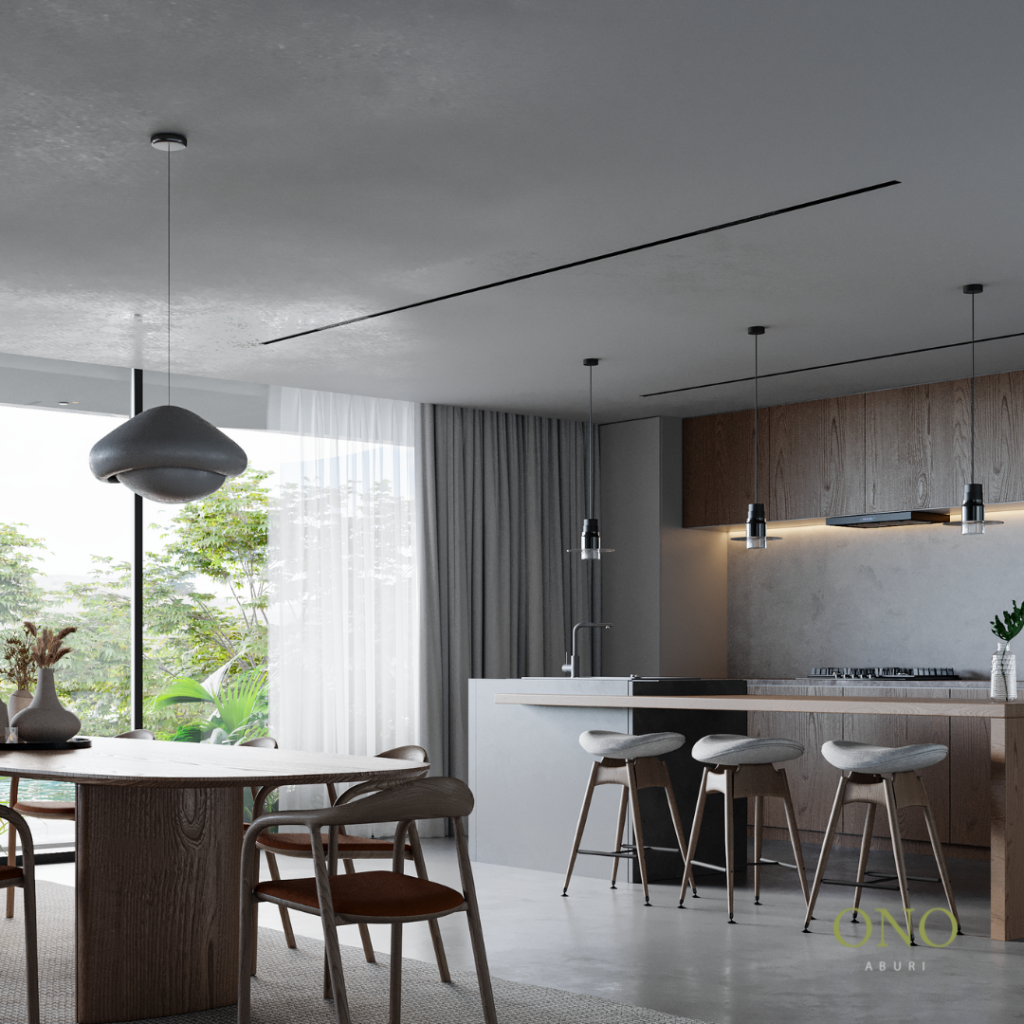
For years, many property decisions in Ghana were heavily centred around proximity to Accra’s busiest areas. But today, priorities are shifting. More people are beginning to value quality of life over convenience alone.
This does not necessarily mean moving far away from the city completely. Instead, it means finding balance—access to urban life when needed, while still enjoying environments that feel calmer and more restorative.
Places like Aburi have become increasingly attractive because they offer this balance. Close enough to remain connected, yet far enough to offer a different pace of life.
For many diaspora homeowners, this combination feels increasingly valuable.
Build for Simplicity, Not Just Size
Another important consideration when building a lifestyle home is resisting the pressure to overbuild. Many people feel tempted to create extremely large homes that become difficult to maintain over time.
A lifestyle home should support ease, not stress. Instead of focusing only on size, many modern homeowners are prioritising:
- natural light
- outdoor living spaces
- scenic views
- ventilation
- greenery
- comfort
- peaceful design
The goal is not simply to impress visitors. The goal is to create an environment that feels restorative and timeless.
Consider the Emotional Value of Location
One of the most overlooked aspects of real estate is emotional value. Some environments simply make people feel better.
The sound of birds in the morning, fresh air moving through trees, views that stretch beyond concrete walls, and quiet evenings without constant noise.
These details may seem small at first, but over time they deeply shape everyday experience.
Many diaspora buyers are beginning to realise that emotional well-being is becoming just as important as financial investment when choosing where to build.
Building for the Future
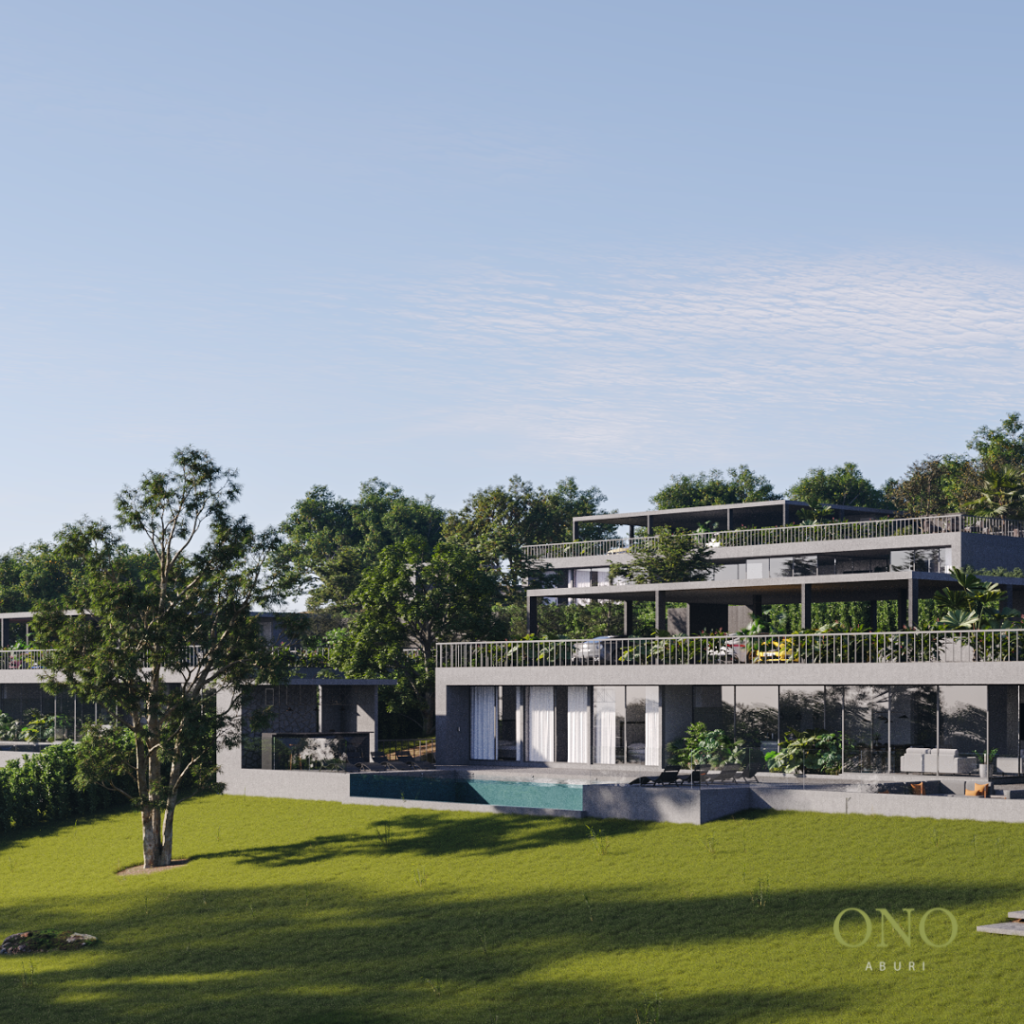
A lifestyle home is often a long-term decision. It may eventually become a retirement home, a family gathering space, or even a future legacy property passed down across generations.
Because of this, it’s important to think beyond current trends. Choose locations and environments that will continue to feel valuable years from now. Green spaces, peaceful surroundings, and balanced living environments rarely go out of style.
As cities become increasingly crowded and overstimulating, serene locations are likely to become even more desirable in the future.
Conclusion
Building a lifestyle home in Ghana is about more than construction. It’s about designing the kind of life you want to experience. Increasingly, diaspora buyers are recognising true luxury is found not just in architecture and location, but in peace, clarity, and quality of environment.
The places people return to every day shape how they think, rest, and live. That is why conversations around homebuilding are changing. More people are no longer asking only, “What should I build?”
They are asking something deeper:
“How do I want life to feel when I’m there?”